

Choosing where to study abroad is one of the biggest decisions you'll make when planning your education. With study options, tuition fees, admission requirements and immigration policies constantly evolving, choosing a country requires more than simply following where everyone else is going. You need to consider the quality of education, the cost of studying and living, available scholarships, language requirements and opportunities after graduation.
For Nigerian students planning to study abroad in 2027, there are several destinations worth considering. While countries such as the UK, Canada and Australia remain popular, other destinations in Europe and Asia are attracting attention for their academic programmes, international learning environments and different tuition options.
In this guide, we'll explore 10 countries Nigerians should consider for their 2027 study abroad plans, what makes each destination attractive, and some important things to know before applying.
What Nigerians Should Consider Before Choosing a Study Destination
Before selecting a country, take time to understand what studying there will involve. It is easy to become interested in a destination because of attractive university pictures, recommendations from friends or stories about students who have successfully relocated. However, your decision should be based on your own academic background, financial situation and long-term plans.
1. Start by researching universities that offer your preferred course. Check whether the qualification is recognised, what the admission requirements are and whether your previous education meets the entry criteria. You should also look at the total cost of studying, including tuition, accommodation, feeding, transportation, health insurance and other expenses. Remember that getting an admission letter is only one part of the process; you must also be able to demonstrate that you can afford your studies.
2. Your budget should play a major role in deciding where to study. Some countries have public universities with relatively low tuition fees, while others charge international students considerably more. However, low tuition does not automatically mean that a country is affordable. Accommodation, transportation, food and other living expenses can make a significant difference.
For instance, Germany is widely considered by students looking for public university programmes with low or no tuition fees, although semester contributions and living expenses still apply. Australia and Canada, on the other hand, can require a considerably larger financial commitment depending on the university and programme.
3. Scholarships are another important consideration. Some universities offer merit-based scholarships, while others provide financial assistance to students from specific countries or academic backgrounds. Nigerians should investigate university scholarships, government-funded opportunities and other legitimate funding options before deciding where to apply.
4. Admission requirements differ from one country and university to another. Some institutions may accept your existing academic qualifications directly, while others may require additional examinations, English-language test results, foundation programmes or specific subject combinations.
5. You should also consider what happens after graduation. Some countries provide opportunities for eligible international graduates to remain temporarily to seek employment or gain professional experience. However, these opportunities come with conditions and immigration rules that can change.
For example, Canada's Post-Graduation Work Permit (PGWP) has specific eligibility requirements based on the institution and programme. The UK's Graduate visa is scheduled to provide 18 months for most eligible bachelor's and master's graduates applying from 1 January 2027, while doctoral graduates retain three years under the published rules. These details matter when comparing destinations.
Top 10 Countries for Nigerians to Study in 2027
1. Canada

Canada remains one of the most recognised study destinations for Nigerian students. Its universities and colleges offer programmes across different academic fields, including business administration, engineering, information technology, nursing, public health, finance, social sciences and even trade courses. Students can choose from undergraduate degrees, postgraduate diplomas, master's programmes and doctoral studies, depending on their qualifications and career goals.
One reason Canada continues to attract international students is its multicultural environment. Nigerian students can find communities from different parts of the world, making it easier to experience a new culture while maintaining connections with people who share similar backgrounds. Institutions also provide international student support services, academic guidance and career development resources. Cities such as Toronto, Ottawa, Calgary, Winnipeg and Vancouver offer different lifestyles, although the cost of accommodation and everyday expenses varies considerably from one location to another.
Another consideration is the opportunity to gain professional experience after graduation. Eligible graduates may apply for a Post-Graduation Work Permit (PGWP), which allows them to work in Canada after completing an eligible programme. However, not every college, university or course automatically qualifies. Canada's immigration authorities have specific requirements covering the institution, programme, study status and, where applicable, language proficiency and field of study.
For 2027 applicants, it is particularly important to research the institution and course before paying an application fee or accepting an admission offer. A programme that looks attractive academically may not meet the requirements for a post-study work permit.
2. United Kingdom
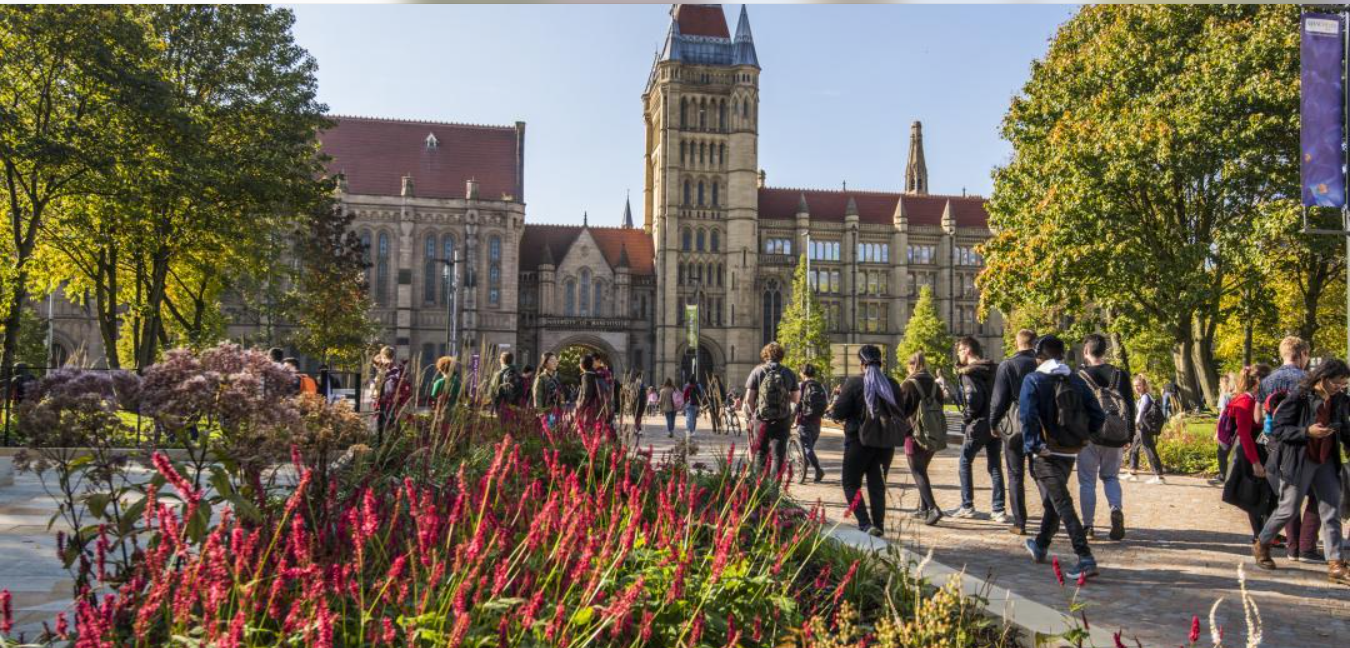
The United Kingdom has remained a popular choice for Nigerians seeking internationally recognised qualifications and access to a wide range of academic programmes. From undergraduate degrees to master's and doctoral studies, UK universities offer opportunities across disciplines such as law, business, engineering, medicine, education, computer science and public health.
One major attraction is the relatively shorter duration of many postgraduate programmes. A number of full-time master's degrees can be completed in one year, allowing students to obtain an advanced qualification without spending as much time away from the workforce as they might in some other destinations. This can be particularly useful for Nigerian graduates who want to improve their qualifications, develop specialised knowledge or pursue a different career direction.
The UK also offers a familiar academic environment for many Nigerian applicants because English is the primary language of instruction across most universities. Students can choose from major cities such as London, Birmingham, Manchester, Leeds, Glasgow and Nottingham. Each location has its own cost of living, employment opportunities and student experience, so it is worth comparing more than just university rankings.
However, students planning for 2027 must pay attention to the UK's changing immigration policies. Under the published Graduate visa rules, most eligible bachelor's and master's graduates who apply from 1 January 2027 will receive an 18-month Graduate visa rather than the previous two years. Eligible doctoral graduates retain three years. The government has also announced plans relating to longer permission for graduates of certain high-performing universities, but further details are still needed.
Note: This does not mean the UK is no longer a good destination. It means students should understand the current rules and make their decisions based on their academic and career plans rather than assumptions about immigration opportunities.
3. Australia
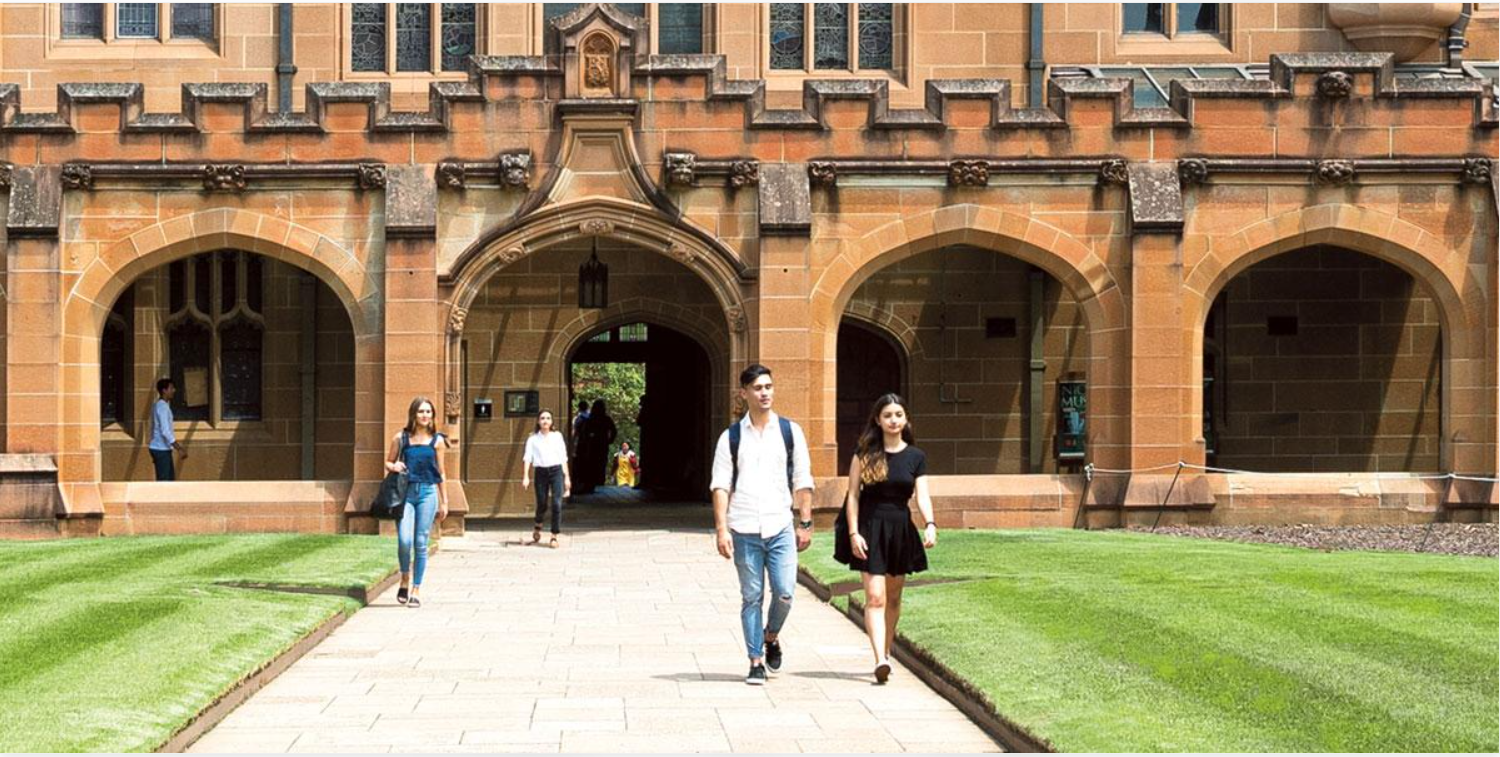
If you are looking for a destination with a strong university system, diverse academic programmes and an international student community, Australia is another country worth considering for 2027.
Australian universities offer courses in fields such as engineering, information technology, business, accounting, nursing, public health, education, environmental science and hospitality management. Students can select from different levels of study, including undergraduate degrees, postgraduate qualifications and research programmes. The country also has several well-known institutions with established international student support services.
Australia appeals to students who want an opportunity to experience a different lifestyle while pursuing their education. Cities such as Sydney, Melbourne, Brisbane, Perth and Adelaide offer different academic and living environments. While some cities are more expensive than others, students should compare accommodation, transport, tuition and everyday expenses before choosing a university.
International students may also have opportunities to work while studying, subject to visa conditions. Under the standard student visa arrangements, eligible students are generally permitted to work up to 48 hours per fortnight while their course is in session. Different conditions apply to certain research students. Australia's Temporary Graduate visa also provides post-study options for eligible graduates, although the qualification, age and other requirements must be checked before making plans.
Financial preparation is particularly important. Australia's Department of Home Affairs currently lists AUD 29,710 as the annual living-cost amount for a student when calculating the relevant financial capacity requirement, in addition to tuition and travel costs. This is a visa-related financial requirement, not a guarantee that the amount will cover every student's actual expenses.
For Nigerians considering Australia in 2027, the key is to choose a suitable programme and prepare a realistic financial plan. Do not assume that income from a part-time job will be enough to cover your tuition and living expenses.
4. Germany

For Nigerian students who want to explore European education options, Germany deserves serious consideration. The country is known for its universities, research institutions and strong academic reputation, particularly in engineering, technology, science, business and related disciplines.
One of Germany's biggest attractions is the availability of public universities with relatively low tuition fees. Many public institutions do not charge general tuition fees for most undergraduate programmes, although semester contributions and other charges may apply. Some states, universities and specialised programmes have different fee arrangements, particularly for non-EU students. This makes it important to check the exact fees attached to your chosen institution rather than assuming that every German university offers free education.
Germany also offers opportunities for students interested in fields such as mechanical engineering, automotive technology, computer science, renewable energy, business management and natural sciences. Its strong industrial and research environment can make it an attractive destination for students looking to develop specialised academic and technical skills.
Another advantage is that Germany has established arrangements for international graduates who want to explore employment opportunities after completing their studies. Eligible graduates can apply for a residence permit that allows them to seek qualified employment for up to 18 months, subject to the applicable conditions.
However, language is an important factor. Although several universities offer English-taught master's programmes, many undergraduate and other courses are taught in German. Students applying for German-taught programmes will generally need to demonstrate the required German language proficiency.
Financial preparation is equally important. According to Germany's official information portal for international students, applicants can demonstrate sufficient financial resources through options including a blocked account, scholarship or declaration of commitment. The listed blocked-account requirement for 2026 is €11,904. Applicants should check the amount applicable when they submit their 2027 applications.
5. Spain

Spain is becoming an interesting option for Nigerian students who want to explore European education beyond the destinations they traditionally hear about. With universities offering programmes in business, tourism, hospitality, engineering, health sciences, international relations and other disciplines, Spain provides different academic opportunities for international applicants.
One of the attractions of studying in Spain is the opportunity to experience European education alongside a different cultural and social environment. Cities such as Madrid, Barcelona, Valencia, Seville and Murcia offer different lifestyles and university experiences. Students can explore a range of public and private institutions, depending on their preferred course, academic qualifications and budget.
Spain may also appeal to students interested in programmes connected to tourism, hospitality, business, international trade and health sciences. Institutions such as the Catholic University of Murcia (UCAM) offer international study opportunities across several academic areas. However, students should compare individual courses and confirm that the institution and qualification meet their academic and professional objectives.
Language is another factor worth considering. Some universities offer programmes taught in English, but Spanish remains an important language in everyday life and across many academic environments. Learning Spanish can make it easier to communicate, interact with local communities and explore future employment opportunities.
For Nigerian applicants, the Spanish study visa process should also be researched early. Ruhe Global Resources can help by providing information on study visa applications, including the need to secure admission and submit an application sufficiently ahead of the programme's start date. Applicants should follow the consulate's current instructions and the applicable documentation requirements.
6. Ireland
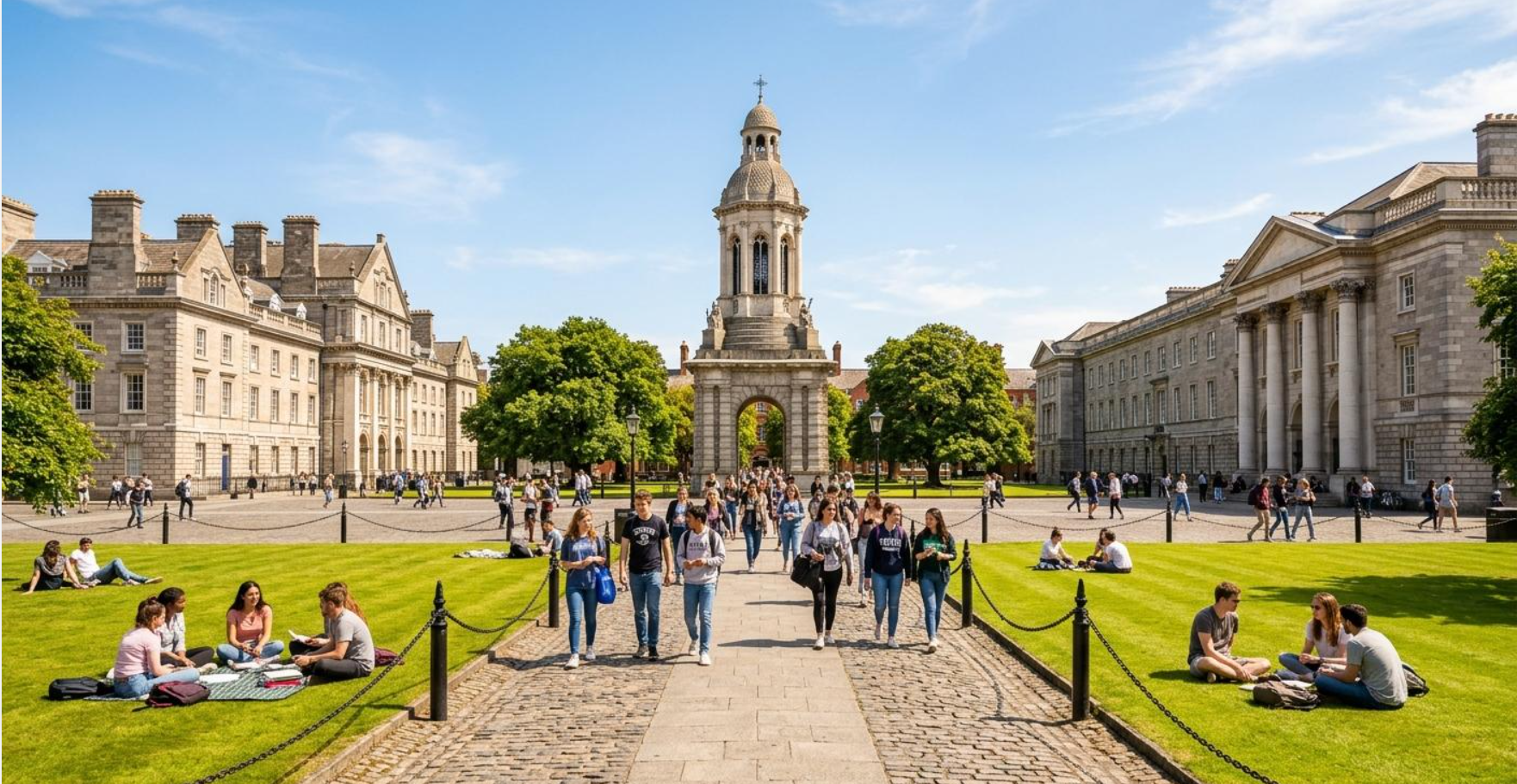
Ireland is another destination Nigerian students should explore when planning to study abroad in 2027. Its universities and higher education institutions offer programmes in areas such as business, computer science, engineering, finance, pharmaceuticals, data analytics, healthcare and the humanities.
One of Ireland's attractions is its English-speaking academic environment. Students who prefer to study in an English-speaking country may find it easier to adjust to lectures, assignments and everyday communication. The country also has an established international education sector, with universities and colleges welcoming students from different parts of the world.
Ireland is particularly worth exploring for students interested in technology, business and pharmaceutical-related fields. Its international business environment provides exposure to different industries, while its universities offer undergraduate and postgraduate programmes designed to develop academic and professional skills.
Another consideration is the Third Level Graduate Programme. Eligible non-European Economic Area graduates may receive permission to remain in Ireland after completing their studies to seek graduate-level employment. Under the published arrangements, qualifying Level 8 graduates can receive up to 12 months, while eligible Level 9 or higher graduates may receive up to 24 months, subject to the programme's conditions.
The cost of studying should not be overlooked. Tuition varies according to the institution and programme. For example, Education in Ireland publishes different undergraduate fee ranges for business, engineering, science, technology and other subjects. Students should use the latest university fee schedules when preparing their budgets.
7. France

If you want to experience European education while exploring a country with a rich academic and cultural history, France is worth adding to your 2027 study destination list.
France has universities and specialised institutions offering courses in business, fashion, hospitality, engineering, art and design, international relations, science, economics and other disciplines. It is particularly attractive to students who want to develop skills in areas such as luxury brand management, culinary arts, fashion, tourism and international business.
One important advantage is the availability of public higher education institutions with government-supported tuition arrangements. According to Campus France, the published differentiated tuition fees for non-EU students at relevant public higher education institutions for the 2026–2027 academic year are €2,902 annually for bachelor's programmes and €3,950 for master's programmes. Doctoral tuition is listed at €398. However, exemptions, institutional arrangements and other fee structures may apply, so students should confirm the exact charges with their chosen institution.
France also offers an opportunity to develop French language skills. While some universities offer English-taught programmes, especially at postgraduate level, French is widely used in everyday communication and in many academic settings. Students who invest time in learning the language may find it easier to settle in and explore professional opportunities.
For Nigerians, the decision to study in France should involve more than looking at tuition fees. You should research accommodation, health insurance, transportation, proof of financial resources and the language requirements of your chosen course.
8. New Zealand

New Zealand is another destination worth considering if you want to combine quality education with a different lifestyle and a welcoming international learning environment. Its universities and other recognised education providers offer programmes in business, agriculture, environmental science, engineering, information technology, healthcare, education and other academic fields.
One of the country's attractions is its learning environment. Students can access academic support, research opportunities and practical training, depending on their programme and institution. New Zealand is also an interesting choice for those considering careers connected to agriculture, environmental management, sustainability and technology.
International students may be able to work part-time while studying, depending on their visa conditions. However, students should never assume that working while studying will provide enough income to cover their tuition and living expenses. It is better to have a reliable financial plan before travelling.
New Zealand also provides a Post-Study Work Visa for eligible graduates. Depending on the qualification and other requirements, this visa can allow graduates to remain and work in the country for up to three years. Immigration New Zealand also announced an extension of eligibility from 16 November 2026 for certain graduates with a Level 7 graduate diploma who also hold a bachelor's degree. The new arrangement has specific study and qualification requirements.
This makes it important for 2027 applicants to check the exact qualification they intend to pursue. Not every certificate or diploma automatically qualifies for post-study work permission.
9. China

For Nigerian students looking beyond the usual study destinations, China is an option worth exploring. The country has developed a significant higher education sector, with universities offering programmes in medicine, engineering, computer science, business, economics, agriculture, science and technology.
China can be particularly interesting for students who want to gain international exposure in technology, manufacturing, engineering and business. Its universities offer different academic pathways, including programmes taught in Chinese and selected courses taught in English. This provides opportunities for students with different language backgrounds, although the language requirements depend on the institution and programme.
One of the major attractions is the availability of scholarship opportunities. The Chinese Government Scholarship, for example, supports eligible international students pursuing undergraduate, master's and doctoral studies at designated institutions. Depending on the scholarship category and award, benefits may include tuition coverage, accommodation or an accommodation subsidy, a monthly stipend and medical insurance. The official scholarship information also lists different eligibility and academic requirements for each level of study.
There is already an important development for students considering the 2027 intake. Applications for the 2027/2028 Chinese Government Scholarship were announced as open in October 2026 through an official Chinese embassy notice. Applicants are advised to research their preferred universities, obtain the relevant pre-admission documentation and follow the official application procedures.
However, students should not assume that every Chinese university offers the same scholarships or that every programme is fully funded. Check the scholarship coverage, application deadlines, language of instruction and university requirements.
10. South Korea

South Korea has become an interesting option for international students who want to experience a modern academic environment while exploring opportunities in technology, engineering, business, science and creative industries.
The country is widely recognised for its technological development, research activities and globally influential entertainment and cultural industries. Its universities offer programmes across several academic disciplines, including computer science, artificial intelligence, electronics, engineering, international business, media studies and Korean language.
For Nigerian students, South Korea can provide an opportunity to experience a different educational system and develop an international outlook. Universities offer both Korean-taught and selected English-taught programmes, although availability depends on the institution and course. Students interested in Korean-taught programmes should consider learning the language and preparing for the required Korean language proficiency examinations.
Scholarships are another reason to research South Korea. The Global Korea Scholarship (GKS) and university-specific funding opportunities may provide financial assistance to eligible international students. However, scholarship coverage, application procedures and eligibility requirements differ, so applicants should consult official announcements and their preferred universities.
Students may also have opportunities to work part-time while studying, but permission and working-hour limits depend on their visa status and other requirements, including Korean language proficiency in certain cases. After graduation, eligible international students may apply for a job-seeking visa, known as the D-10, subject to immigration conditions.
South Korea is worth considering if you are interested in developing expertise in technology, engineering, research or business while experiencing a new culture.
How to Prepare for Your 2027 Study Abroad Application
Choosing your preferred study destination is just the first step. Once you’ve decided which countries interest you, it’s time to start preparing for your university admission and student visa application.
Not sure where to begin? Read our previous blog on the Study Abroad Checklist for a guide to the important things you need to prepare before starting your study abroad journey.
Here are some practical steps to help you prepare;
1. Choose a course that matches your academic background:
Start by identifying the programme you want to study. Consider your previous qualifications, academic interests and future career plans. If you are applying for a master's degree, check whether your undergraduate qualification meets the university's entry requirements. Some programmes may accept applicants from related disciplines, while others require a specific academic background or professional experience.
2. Research universities and compare admission requirements:
Do not select a university simply because it is popular. Look at its available programmes, entry requirements, tuition fees, application deadlines and international student support services. You should also confirm that the institution is recognised and that the qualification is suitable for your intended career.
3. Prepare your academic documents:
Depending on the university and programme, you may need; Academic certificates and transcripts, International passport, Curriculum vitae (CV), Statement of purpose or personal statement, Reference letters, English language proficiency results, where required. Portfolio or research proposal for selected programmes. Make sure your documents are accurate and ready before submitting your application.
4. Explore scholarships and funding opportunities.
If you need financial assistance, research scholarships offered by universities, governments and other recognised organisations. Check the eligibility requirements, application deadlines and benefits attached to each scholarship. Do not rely on a scholarship simply because you have seen it advertised online. Confirm that it is genuine and available for your intended programme and intake.
5. Understand the student visa requirements.
Admission does not automatically guarantee a student visa. Every country has its own immigration requirements, and these may include proof of funds, medical examinations, health insurance, accommodation details, academic documents and other supporting evidence.
For example, students applying to Spain through Nigeria should review the instructions published by the Spanish Consulate in Lagos. Those applying to Germany should understand the financial evidence required for their visa applications.
6. Start your application early.
Universities have different application deadlines and intake periods. Some programmes fill their available spaces quickly, while scholarship applications may close months before the academic session begins. Starting early gives you time to address missing documents, respond to university requests and prepare for your visa application.
Most importantly, make sure you understand the full cost of studying abroad before committing to an institution. Your financial plan should cover more than the initial tuition deposit
In summary, there are several countries Nigerian students can consider when planning to study abroad in 2027. From Canada, the UK and Australia to Germany, Spain, Ireland, France, New Zealand, China and South Korea, each destination offers different academic opportunities, learning environments and potential career pathways.
However, the best country is not necessarily the most popular one. It is the destination that offers the right course, fits your budget, meets your academic needs and supports your long-term plans. Take time to compare universities, understand the admission requirements, research available scholarships and stay informed about immigration policies before making your decision.
If you are planning to study abroad in 2027, you do not have to figure everything out on your own. Ruhe Global Resources can help you explore suitable study destinations, identify universities, understand admission requirements and navigate your application process.
Your study abroad journey starts with making the right decision. Start exploring your options today!